The main hurdles hindering the green transition of the EU's steel sector are the low profitability of steel businesses, amid oversupply, high energy costs, a lack of demand for low-carbon products, and a potential scrap metal shortage driven by rising demand. While the European Commission has already proposed solutions for some of these challenges, Italy finds itself in one of the most vulnerable positions within the EU steel market. The country has the highest electricity prices among member states and is a net importer of ferrous scrap. These structural weaknesses must be addressed urgently. Otherwise, the industry faces a significant risk of steel production leaking to other countries, not only outside the EU but also within it, in the coming years. A successful green transition also requires public co-funding of projects. It is, therefore, crucial for Italy to actively engage in and support domestic initiatives to de-risk investments and bolster investor confidence and at the same time constantly invest in new technologies to improve production efficiency and reduce costs.
GMK Center
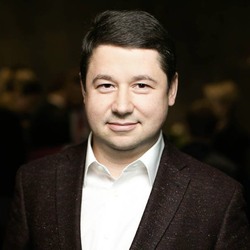
Stanislav Zinchenko is the CEO of GMK Center, chair of the Committee for Environment and Sustainable Development of the European Business Association, and president of the Council of Supply Chain Management Professionals’ Ukraine Roundtable.
For the last five years, Stanislav has provided consulting services for Ukrainian iron and steel companies, specializing in sustainability issues, supply chains, CAPEX policy, and market analysis. Stanislav has 15-years of experience in consulting for manufacturing companies.
He has expertise in operational management and supply chains as a team leader, consultant and analyst in international projects in the field of entrepreneurship, operational efficiency and logistics infrastructure.
Stanislav has a master’s in international economics from Kyiv National Economic University.
JOIN OUR MAILING LIST
Be the first to hear about exhibitors, speakers and what's on at our upcoming events.