Europe's electric arc furnace transition is accelerating. Ageing blast furnace fleets approaching end-of-life, combined with CBAM repricing the carbon intensity of integrated steelmaking, have strengthened the investment case for EAF capacity expansion across the continent. Policy and industry discourse has largely concentrated on the steelmaking half of the decarbonisation challenge. The feedstock half has received comparatively less scrutiny — and it is where structural constraints are most likely to bind as the transition scales.
This paper examines the supply and quality dynamics of ferrous scrap that European EAF operators will encounter as capacity grows. Prime scrap supply is projected to grow at approximately 0.8% per year against scrap demand driven by EAF expansion tracking closer to 4%. The divergence compounds over time. Critically, as the available scrap pool shifts toward higher proportions of obsolete grades, tramp element accumulation — principally copper, tin, and nickel — presents a metallurgical constraint that recycling cannot resolve. EAFs have no mechanism for removing these elements once introduced into the melt. For producers of automotive flat products, advanced high-strength steels, and API pipeline grades, this represents a hard ceiling on achievable product quality from scrap-only charge mixes, irrespective of electricity grid decarbonisation.
The paper argues that high-value EAF steelmaking for European manufacturing applications — automotive, machinery, structural engineering — requires a complementary source of virgin iron units to dilute tramp element concentrations and unlock premium grade production. It evaluates hot briquetted iron as the lowest-carbon available mechanism for providing those units, examines the emissions trajectory from natural gas DRI through progressive hydrogen blending, and sets out the feedstock configurations associated with different product grade ranges in practical EAF charge mixes.
The geographic and commercial logic of decoupling ironmaking from steelmaking is assessed — locating energy-intensive DRI production where renewable resources are cheapest, and connecting that output to European steelmaking clusters through established bulk shipping channels. The analysis draws on project development experience in Oman and Thailand to ground the commercial and technical feasibility arguments, and considers the offtake structures, carbon accounting frameworks, and policy conditions required for green iron supply chains oriented toward European buyers to reach final investment decision.
Meranti Green Steel
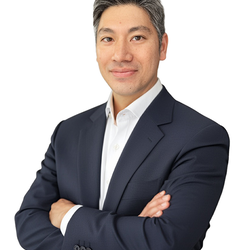
Andrew is vice president, projects, and sustainability, at Meranti Green Steel. He has 20 years of experience in executive and senior management roles, including with P&L responsibility in the steel industry in South East Asia. He has led major capital project programmes, sustainability initiatives, and organizational build-outs, with responsibility for project delivery structures, governance, and operational processes. Andrew was president of BlueScope Lysaght Singapore and has also held senior commercial and project management roles. He holds an MBA and a degree in economics.
JOIN OUR MAILING LIST
Be the first to hear about exhibitors, speakers and what's on at our upcoming events.